Eid is a festival that brings joy, togetherness, and the perfect opportunity to celebrate with style. One of the most exciting aspects of Eid is choosing the perfect outfit, and nothing captures the festive spirit better than a beautifully crafted eid design dress.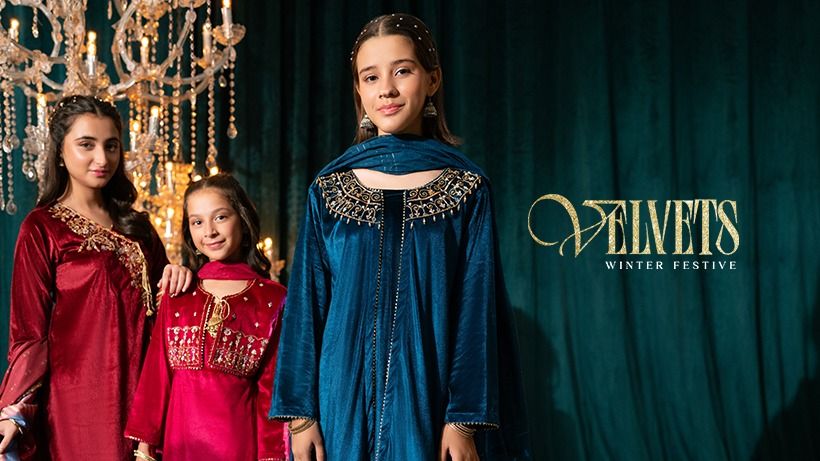
For young girls and women alike, these dresses are not just about fashion—they reflect culture, tradition, and personal expression. Whether you are a female Quran teacher planning a modest but stylish outfit or someone looking to shine in family gatherings, understanding the patterns, fabrics, and designs of Eid dresses can help you make the perfect choice.
In this guide, we will break down the world of eid design dress patterns in simple, easy-to-understand terms. From traditional to modern designs, we will explore fabrics, embroidery, silhouettes, and color schemes, so you can confidently pick the dress that suits you best.
Understanding Eid Dress Patterns
When talking about eid design dress, the word "pattern" refers to the style, cut, and detailing of the dress. Different patterns can completely change how a dress looks and feels. Some patterns emphasize elegance and sophistication, while others focus on comfort and playfulness.
Patterns can be divided into a few major types:
Traditional Patterns
Traditional Eid dress patterns are inspired by cultural heritage. These include:
-
Anarkali Style: A floor-length dress that is fitted at the top and flares out at the bottom. Perfect for formal Eid gatherings, Anarkali dresses often feature intricate embroidery, beads, or sequins.
-
Shalwar Kameez: A classic South Asian outfit, consisting of a long tunic (kameez) and pants (shalwar). It’s a versatile style suitable for daily wear or semi-formal events depending on the fabric and design.
-
Kaftan: Loose, flowing, and elegant, Kaftans are ideal for women seeking comfort without compromising on style. They often have ornate patterns along the neckline and sleeves.
These traditional patterns are timeless, offering a balance of modesty and grace, which is particularly appreciated by a female Quran teacher during festival events.
Modern Patterns
Modern eid design dress patterns blend contemporary fashion with traditional elements. Some popular modern patterns include:
-
Peplum Tops: Paired with trousers or skirts, peplum tops add a chic twist to traditional Eid outfits.
-
Asymmetrical Cuts: Dresses with uneven hems or layered designs create a fashionable silhouette.
-
Fusion Wear: Combining western-style dresses with traditional embroidery or fabrics gives a fresh and innovative look.
Modern patterns are especially popular among young girls and teenagers who want to make a fashion statement while keeping the festive spirit alive.
Fabric Choices for Eid Dresses
The choice of fabric is as important as the design itself. The right fabric enhances the beauty of any eid design dress and makes wearing it more comfortable.
Cotton and Lawn
-
Cotton: Breathable, lightweight, and perfect for hot weather. Cotton Eid dresses are suitable for day-time celebrations.
-
Lawn: A finely woven type of cotton, lawn fabric allows intricate printed patterns to shine. It is ideal for casual or semi-formal Eid events.
Silk and Satin
-
Silk: Luxurious and smooth, silk is ideal for evening gatherings. It carries embroidery and embellishments beautifully.
-
Satin: With a glossy finish, satin makes even a simple design look festive and elegant.
Chiffon and Georgette
-
Chiffon: Light, sheer, and flowy, chiffon is perfect for layered or flared eid design dress patterns.
-
Georgette: Slightly heavier than chiffon, georgette drapes well and is excellent for long gowns or formal Anarkalis.
Selecting the right fabric ensures your Eid dress is comfortable, looks elegant, and matches the occasion perfectly.
Colors and Embroidery Patterns
Colors play a vital role in choosing an eid design dress. Traditional colors include pastels, whites, and golds, while modern trends favor bold and vibrant shades.
Popular Color Choices
-
Pastels: Soft pink, mint green, baby blue, and peach are gentle and elegant.
-
Bold Hues: Red, royal blue, deep green, and maroon make a strong festive statement.
-
Neutrals: White, beige, and grey are versatile and can be paired with vibrant accessories.
Embroidery and Detailing
Embellishments bring Eid dresses to life. Common embroidery patterns include:
-
Thread Work: Delicate stitching that creates intricate patterns, ideal for formal dresses.
-
Sequins and Beads: Sparkling decorations that make a dress eye-catching for evening celebrations.
-
Mirror Work: Small mirrors stitched into the fabric reflect light beautifully, often seen in traditional festive wear.
-
Lace and Cutwork: Adds sophistication and a touch of modern elegance to any design.
The embroidery pattern should complement the fabric and overall design. Overly heavy embellishments can overwhelm a simple design, while subtle embroidery enhances elegance.
Choosing the Right Silhouette
The silhouette of a dress defines its shape and how it fits the body. Understanding silhouettes helps in selecting the most flattering eid design dress for your body type.
Flared or A-Line
-
Fitted at the top and gradually widening towards the bottom.
-
Great for pear-shaped or hourglass figures.
-
Works beautifully with embroidered panels or layered fabrics.
Straight or Sheath
-
Follows the body’s natural line without much flare.
-
Suitable for slim or rectangular body types.
-
Modern and sleek, especially when paired with minimalistic embroidery.
High-Low or Asymmetrical
-
Shorter at the front, longer at the back.
-
Adds a dramatic effect and is ideal for younger girls seeking a trendy look.
-
Works best with light, flowy fabrics like chiffon or georgette.
Layered or Ruffled
-
Multiple layers of fabric or ruffles add volume and movement.
-
Perfect for Anarkali or gown-style Eid dresses.
-
Creates a youthful and festive appearance.
Accessories to Pair with Eid Dresses
Accessories can elevate any eid design dress. Even a simple dress can look extraordinary with the right jewelry, shoes, and bag.
Jewelry
-
Earrings: Statement earrings or delicate studs depending on the dress style.
-
Necklaces: A subtle chain for heavily embroidered dresses or a bold choker for plain designs.
-
Bangles and Bracelets: Add sparkle and complete the festive look.
Footwear
-
Sandals: Comfortable and stylish, ideal for day events.
-
Heels: Perfect for evening gatherings, especially with long gowns or Anarkalis.
-
Flats: Practical yet elegant for younger girls or casual celebrations.
Bags and Clutches
-
Clutch Bags: Small, elegant, and perfect for evening wear.
-
Potli Bags: Traditional drawstring bags that complement ethnic Eid dresses.
Head Accessories
-
Hijabs or Scarves: Can be matched with dress colors for a coordinated look.
-
Hair Clips and Bands: Adds charm for young girls or modern fusion dresses.
Eid Dress Patterns for Girls
Girls’ eid design dress patterns often emphasize playfulness, comfort, and charm. Popular patterns include:
-
Frock Style: Short, flared dresses with embroidery or lace. Perfect for younger girls to move and play freely.
-
Maxi Dresses: Long and flowing, often with floral or abstract prints. Elegant and ideal for family gatherings.
-
Sharara and Gharara: Flared pants paired with short tunics, offering a fun yet traditional look.
These patterns ensure girls look festive and stylish while remaining comfortable throughout Eid celebrations.
Tips for Selecting the Perfect Eid Dress
Selecting an eid design dress involves more than just picking a pretty pattern. Consider the following tips:
-
Know Your Occasion: Casual family gathering or formal party? Choose accordingly.
-
Comfort Matters: Ensure the fabric and fit allow ease of movement.
-
Color Coordination: Match with accessories, shoes, and even the Eid vibe.
-
Mix Tradition and Modernity: Don’t be afraid to combine classic patterns with contemporary touches.
-
Think About Embellishments: Heavy embroidery is beautiful but may feel uncomfortable for long wear.
A well-chosen dress can enhance confidence, create memories, and reflect your personality beautifully.
Maintaining Your Eid Dress
Once you have your perfect eid design dress, it’s essential to care for it properly to maintain its charm:
-
Follow Washing Instructions: Delicate fabrics like silk and chiffon often need hand washing or dry cleaning.
-
Store Carefully: Keep dresses in garment bags to avoid dust and wrinkles.
-
Avoid Direct Sunlight: Prolonged exposure can fade colors and damage fabric.
-
Handle Embellishments Gently: Sequins, beads, and embroidery require careful handling to prevent loosening.
Proper maintenance ensures your Eid dress stays in excellent condition for future celebrations.
Conclusion
Choosing the perfect eid design dress is a delightful part of the festival experience. From traditional Anarkalis to modern fusion wear, the wide variety of patterns ensures that everyone—whether a female Quran teacher, a young girl, or a fashion-forward teenager—can find something beautiful and suitable. Understanding fabrics, colors, embroidery, and silhouettes simplifies the selection process and helps you feel confident and festive.
Eid is not just about dressing up; it’s about expressing joy, culture, and personal style. A well-chosen eid design dress can enhance your celebrations, create lasting memories, and allow you to shine in every gathering. By considering your body type, comfort, occasion, and personal taste, you can select a dress that is both elegant and meaningful.
Remember, Eid fashion is about celebrating yourself, your traditions, and the festive spirit. With this guide, you now have the knowledge to confidently explore various patterns, fabrics, and styles, ensuring your Eid looks are memorable and stylish.
Whether you prefer a traditional embroidered gown or a trendy modern dress, the key is to embrace what makes you feel beautiful and comfortable. Celebrate Eid in style, and let your eid design dress reflect your personality and joy.