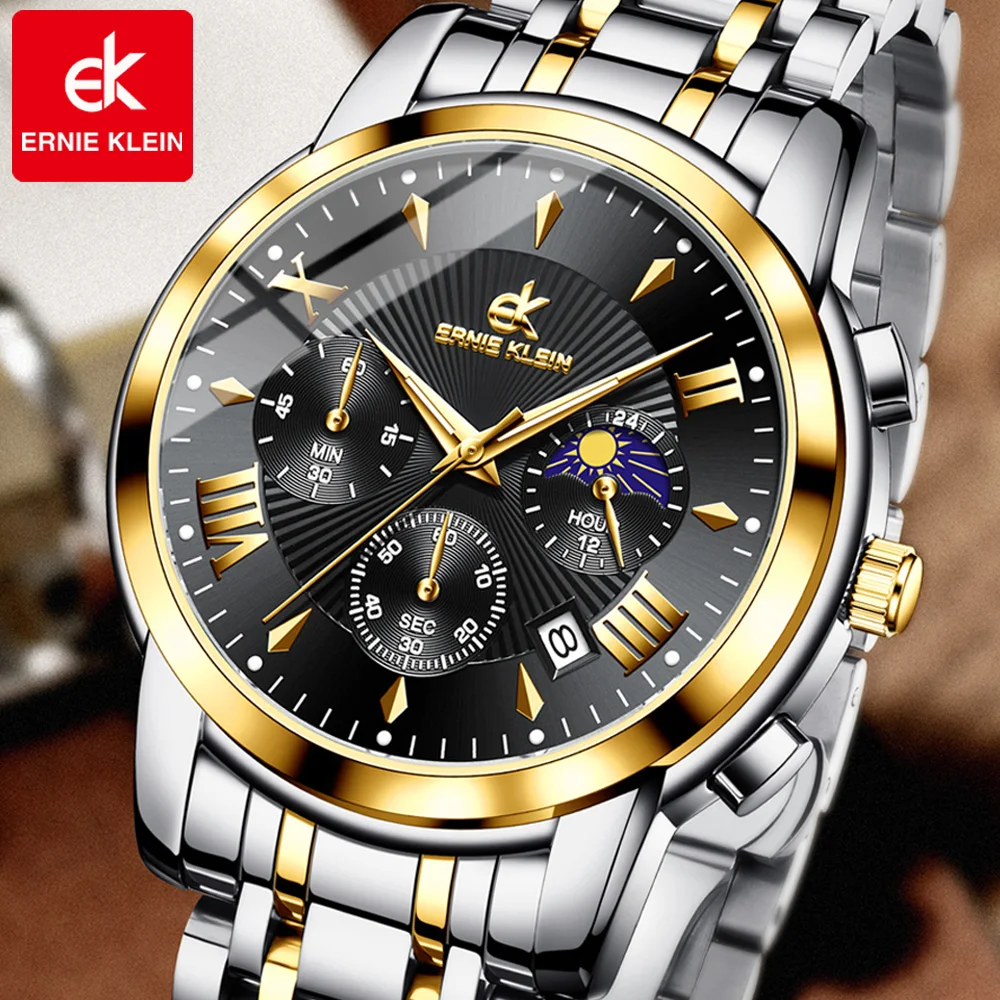
Watches have always been more than simple tools for telling time; they are cultural artifacts that reflect human innovation, personal identity, Watches In Faisalabad evolving lifestyles. From ancient sundials and water clocks to today’s mechanical masterpieces and smart devices, the watch has remained a constant companion on the human wrist. In the modern world, where smartphones can display the time instantly, the continued relevance of watches may seem surprising at first glance. Yet their enduring appeal lies in something deeper than function. A watch represents craftsmanship, heritage, and intention. Wearing a watch is often a conscious choice, signaling an appreciation for design, precision, and tradition. For many, it is a daily ritual—strapping on a watch before leaving home creates a sense of readiness and purpose. This emotional connection explains why watches continue to thrive in an age of digital convenience. Whether minimalist or complex, affordable or luxurious, watches tell a story not only of hours and minutes but also of the person wearing them, making them timeless in both form and meaning.
The evolution of wristwatches is closely tied to advances in engineering and shifts in social behavior. Early wristwatches gained popularity in the late nineteenth and early twentieth centuries, especially due to military needs where pocket watches proved impractical. Over time, innovations such as automatic movements, shock resistance, and water resistance transformed watches into reliable everyday tools. Mechanical watches, powered by intricate arrangements of gears and springs, remain a testament to human ingenuity. Each movement can contain hundreds of components working in harmony, assembled and regulated by skilled watchmakers. Even as quartz technology introduced battery-powered accuracy and affordability, mechanical watches retained their charm. Today, enthusiasts often admire the sweeping motion of a mechanical second hand and the visible beauty of an exhibition case back. These details emphasize that watches are not disposable gadgets but enduring objects designed to last decades, sometimes generations, carrying memories along with precise timekeeping.
Luxury watches occupy a special place in the world of horology, blending artistry, heritage, and status. Brands with centuries of history continue to refine their designs while honoring traditional techniques. Materials such as stainless steel, gold, platinum, ceramic, and sapphire crystal are carefully selected to enhance durability and aesthetics. Complications like chronographs, perpetual calendars, moon phases, and tourbillons elevate watches from simple instruments to mechanical art forms. Owning a luxury watch is often compared to owning a piece of history, as each model reflects years of experimentation and refinement. These watches are not just purchased; they are collected, admired, and passed down. For many, a luxury watch marks significant life milestones such as graduations, promotions, or anniversaries. In this way, watches become emotional heirlooms, holding sentimental value that far exceeds their material worth.
At the other end of the spectrum, affordable and fashion watches play an equally important role in modern watch culture. These watches prioritize accessibility, allowing people to express their style without significant financial commitment. Fashion brands often experiment with colors, shapes, and materials, making watches a versatile accessory that complements clothing and personal aesthetics. Minimalist designs with clean dials appeal to those who appreciate simplicity, while bold, oversized models attract individuals who prefer statement pieces. Affordable watches also serve as entry points for newcomers interested in horology, sparking curiosity that may later lead to deeper exploration of watch mechanics and history. The diversity in this segment demonstrates that watches are not confined to elite circles; they are universal objects that adapt to different tastes, budgets, and lifestyles, reinforcing their relevance across generations.
The rise of smartwatches has added a new dimension to the watch industry, blending traditional wristwear with modern technology. Smartwatches offer features such as fitness tracking, notifications, heart rate monitoring, and navigation, making them powerful tools for health and productivity. While they differ significantly from mechanical watches in purpose and design philosophy, they share the same fundamental position on the wrist. Rather than replacing traditional watches entirely, smartwatches have expanded the definition of what a watch can be. Many people now own multiple watches, choosing between mechanical, quartz, or smart options depending on the occasion. This coexistence highlights the adaptability of watches as objects that evolve alongside technological and cultural changes, ensuring their continued relevance in a fast-paced digital world.
Ultimately, the enduring appeal of watches lies in their ability to balance function, emotion, and identity. A watch can be practical, decorative, symbolic, or all three at once. It can reflect personal taste, commemorate meaningful moments, or simply provide a sense of continuity in daily life. In a world where time often feels fleeting and abstract, a watch offers a tangible connection to it, ticking steadily on the wrist. Whether admired for craftsmanship, worn for convenience, or cherished for sentimental reasons, watches remain powerful symbols of how humans perceive and value time. As trends come and go, the watch endures, quietly reminding us that while time moves forward, some objects remain beautifully timeless.